
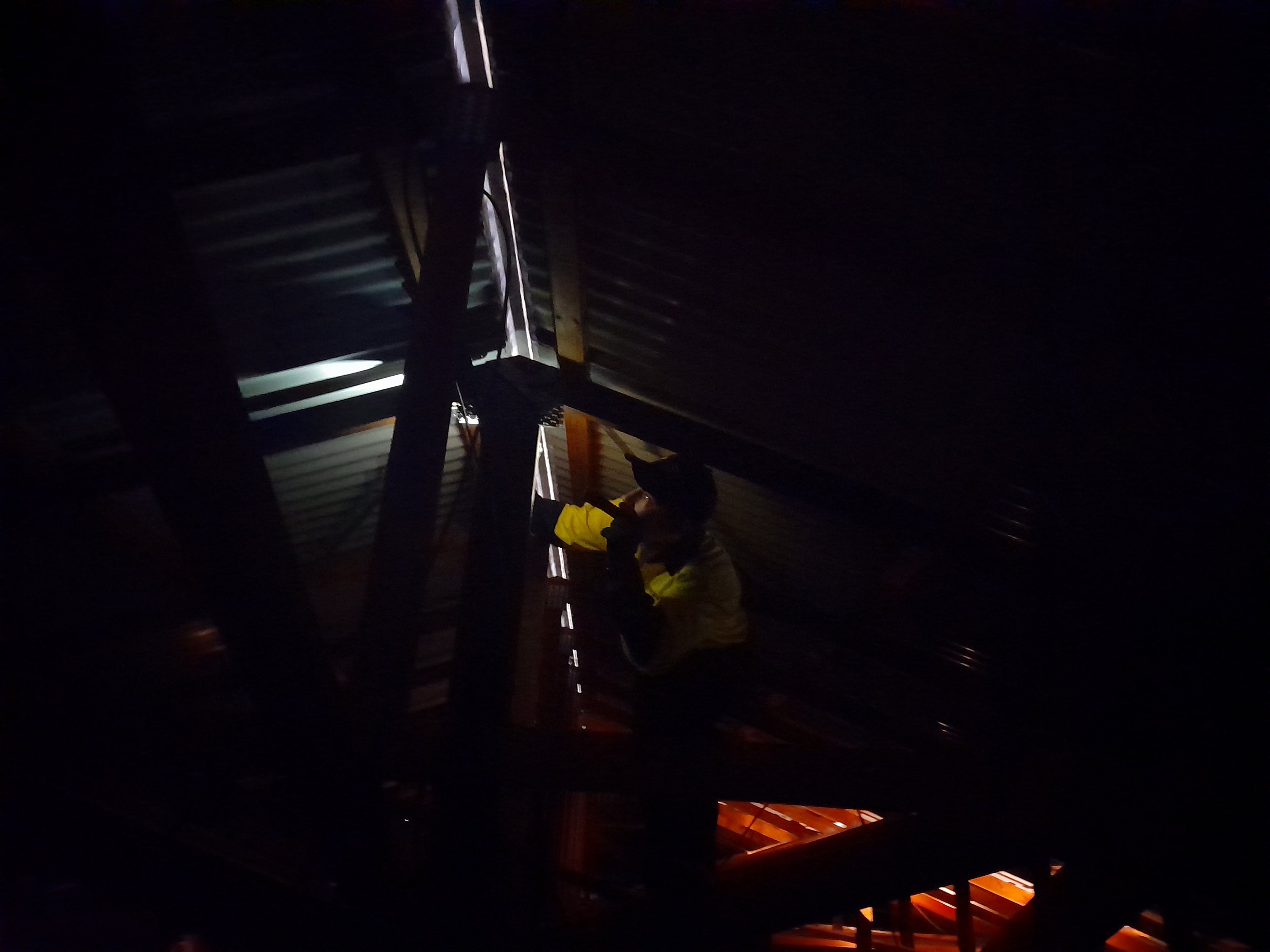
Termite Inspection
Termite Treatment
Termite Systems
Professional termite inspections, treatment and ongoing termite management across Townsville, Burdekin and Charters Towers. Hygipest provides proactive termite solutions for homes and commercial properties.
Termite Management Townsville | Burdekin | Charters Towers
Protect your property from termites before they become a costly problem.
Termites can cause extensive damage to a property while remaining completely hidden from view.
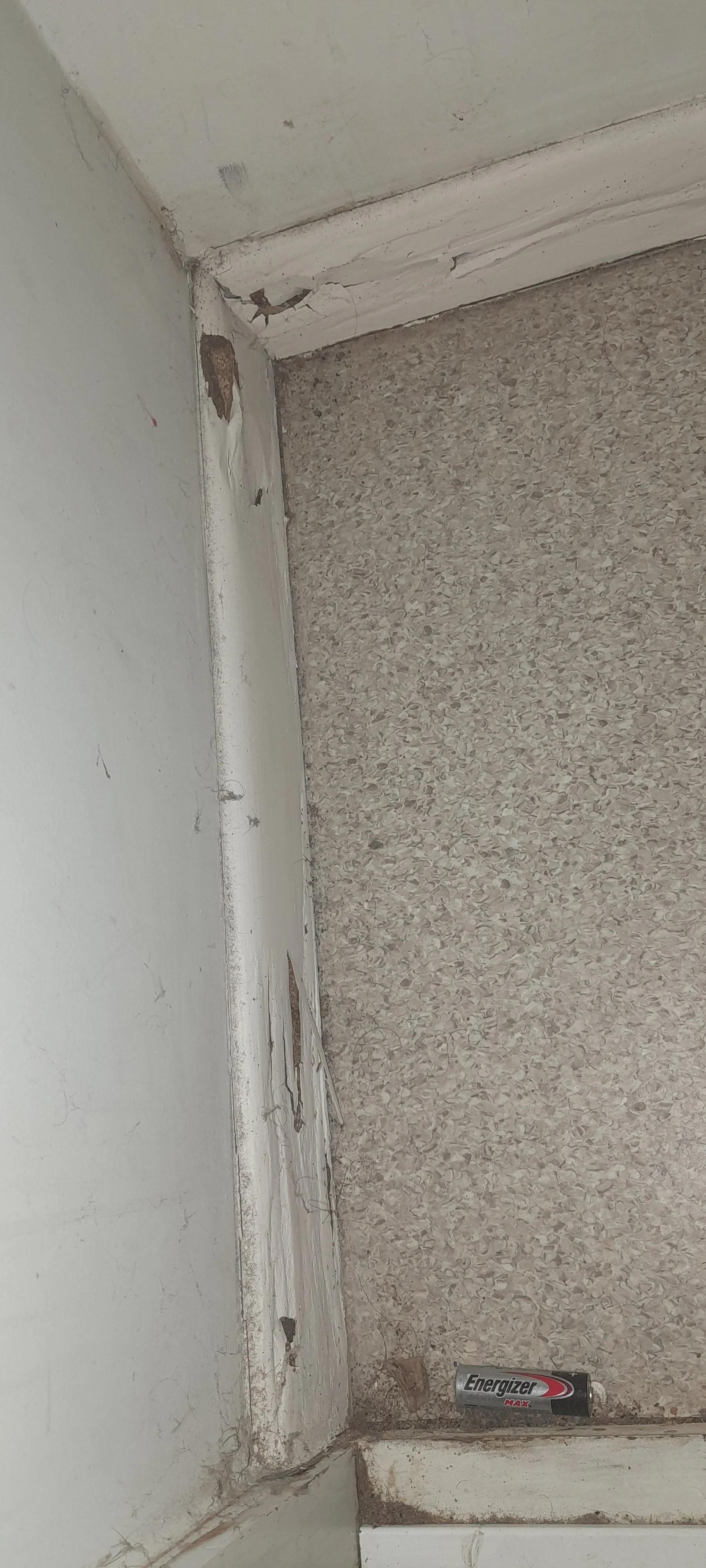
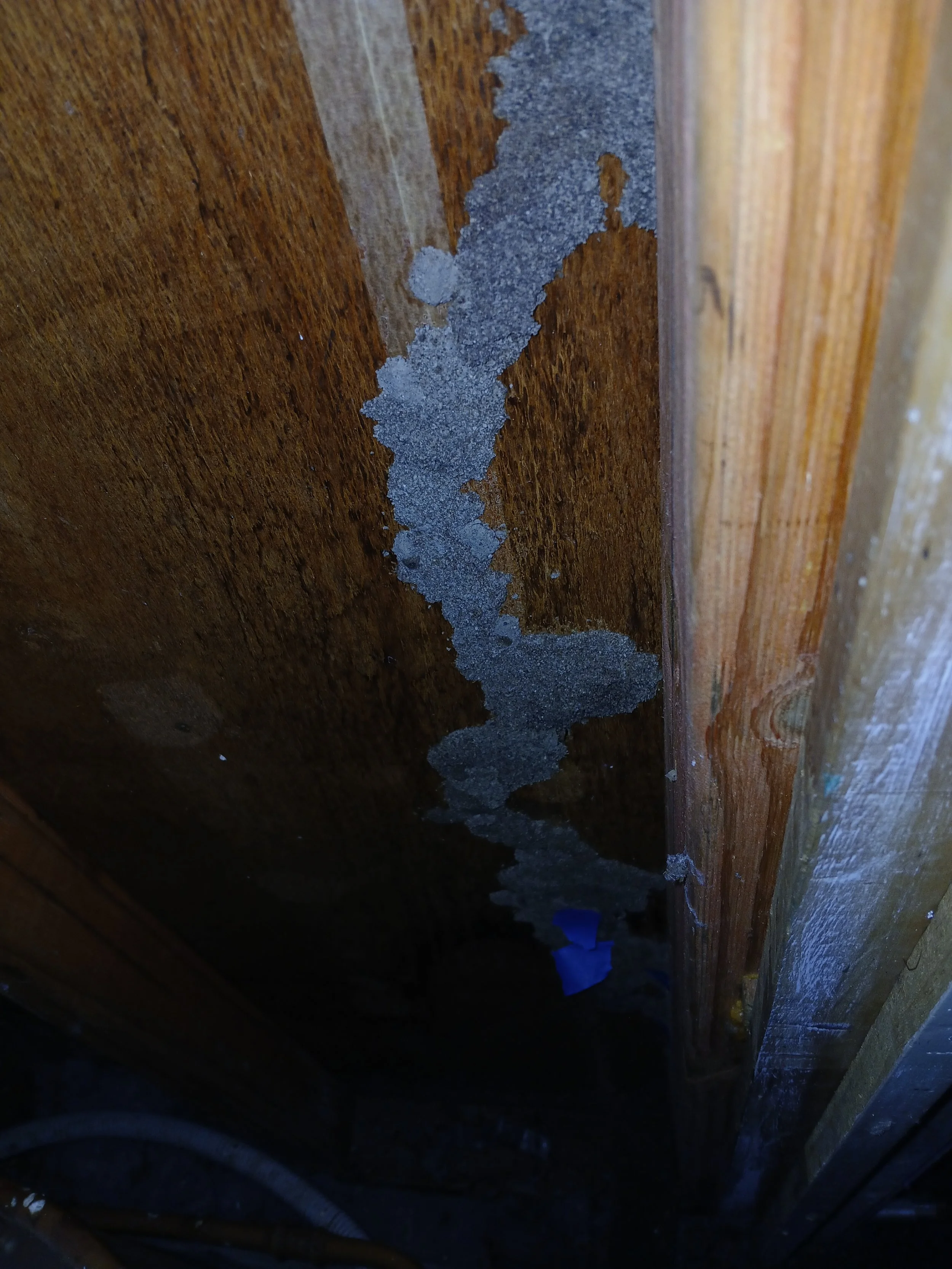
By the time you notice hollow sounding timber, bubbling paint, damaged skirting boards or mud leads, significant termite activity may already be present.
At Hygipest, we take a proactive approach to termite management. We don't simply treat the termites we can see, we investigate how they are accessing the property, identify the conditions increasing termite risk and recommend a management solution suited to your building.
Termite management isn't just about killing termites. It's about managing the risk of termites returning.
Serving Townsville, Burdekin, Charters Towers and surrounding North Queensland.
Found termites? Don't disturb them.
I THINK I HAVE TERMITES — WHAT SHOULD I DO? If you've discovered what you believe may be termites, don't spray them, disturb the mud leads or pull apart the affected timber.
Disturbing active termites can make it more difficult for a technician to determine where they are coming from and how extensive the infestation may be.
Instead:
Leave the area undisturbed.
Take photographs if possible.
Don't apply household insecticide to the affected area.
Arrange a professional termite inspection.
Our first priority is determining whether termites are active, where they are active and how they are accessing the structure.

Why termite management matters in North Queensland
North Queensland provides conditions that can be highly favourable to termite activity.
Warm temperatures, moisture, vegetation and the construction characteristics of many Queensland properties can create opportunities for subterranean termites to access buildings.
The Queensland Building and Construction Commission identifies coastal Queensland as an area where termites are particularly active.
Termites can enter a building through concealed pathways including:
Slab penetrations
Construction joints
Cracks and gaps
Service penetrations
Areas where termite management systems have been breached
Gardens and landscaping bridging inspection zones
Retaining walls and structures adjoining the building
Moisture-affected areas
Subfloor areas
Untreated or poorly maintained perimeter zones
And importantly, a termite barrier does not stop termites from being present on your property. Its purpose is to reduce the risk of termites gaining concealed entry into the building.
Our Termite Management Process
INSPECT → IDENTIFY → CONTROL → PROTECT → MONITOR
Effective termite management starts with understanding the property.
Inspect
Don't wait until you can see the damage.
A professional termite inspection is designed to identify evidence of termite activity, damage and conditions that may increase the likelihood of termite attack.
Our inspections can assess the building and surrounding areas for signs such as:
Mud leads and shelter tubes
Live termites
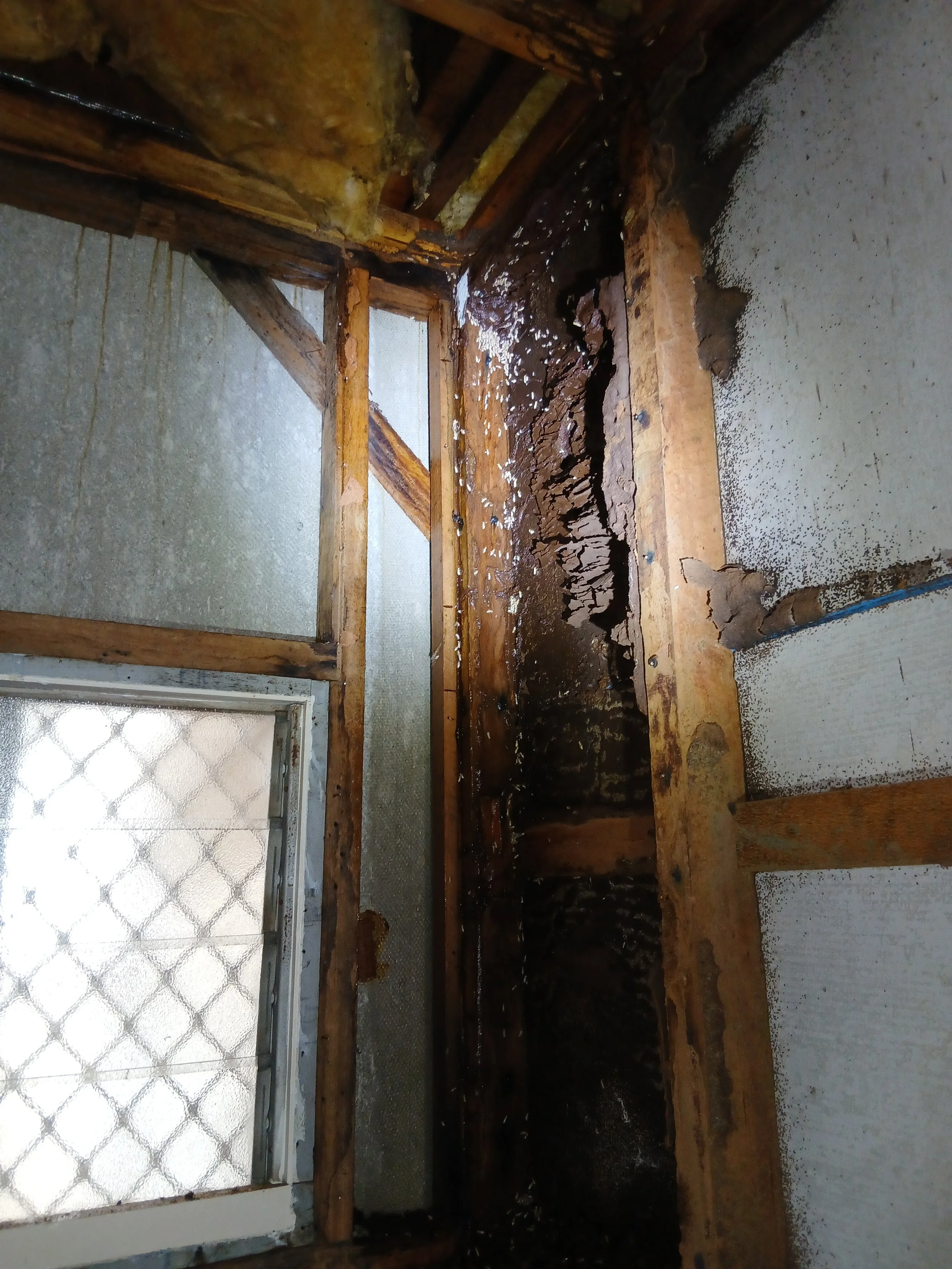
Termite workings
Timber damage
Hollow-sounding timber
Moisture problems
Conditions conducive to termite activity
Previous termite treatment
Breaches or limitations in existing termite management systems
Potential concealed entry points
Where appropriate, inspection equipment may include moisture detection and thermal imaging technology.
Following the inspection, we'll explain what we've found and what we recommend.
You shouldn't be left with a report full of technical terminology and no idea what to do next.
Our recommendations are designed to clearly explain:
What we found → What it means → What needs to happen next.
Identify
What happens if we find active termites?
Finding termites doesn't necessarily mean your house needs to be completely treated.
The correct response depends on the circumstances.
Our approach is to first establish:
Where are the termites?
We look for the active area and potential entry pathway.
Is the colony still active?
Active termite workings can provide important information about the infestation.
How are they accessing the building?
Understanding the pathway is critical to developing an effective management strategy.
Has the building's termite management system been compromised?
Landscaping, paving, extensions, renovations and other changes can affect termite inspection zones and management systems.
What is the most appropriate long term solution?
Only after assessing the property can we recommend the most suitable management approach.
Protect
Once the immediate termite problem has been addressed, we look at the property's ongoing risk.
This may involve:
Chemical termite management
Baiting and monitoring systems
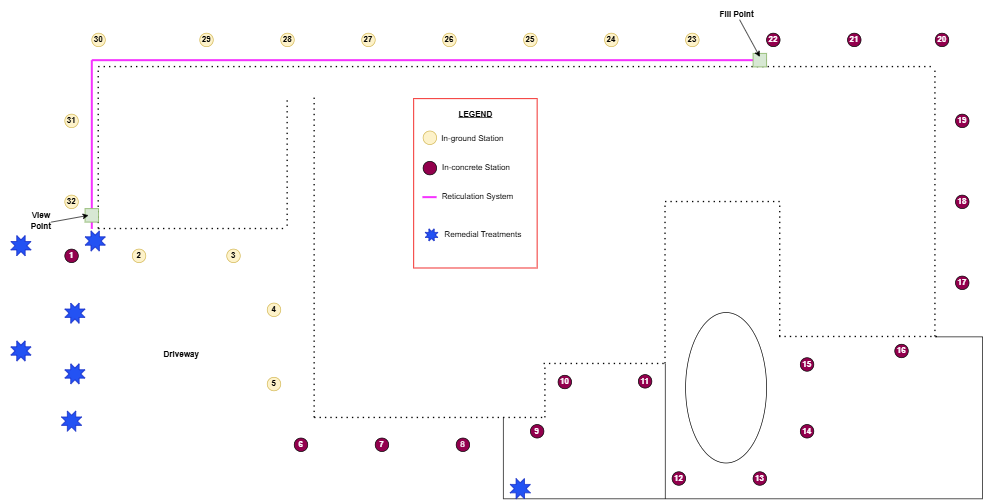
Reticulation systems
Physical termite management systems
Correcting conducive conditions
Improving inspection access
Control
Termite Treatment Options
If active termites are present, the immediate objective is to manage the infestation appropriately.
The treatment selected depends on the termite activity, building construction, access, environmental conditions and the management strategy recommended for the property.
There is no single termite treatment that is right for every property.
The best termite management strategy depends on the building, construction type, access, soil conditions, existing systems, termite activity and the property's long term risk.
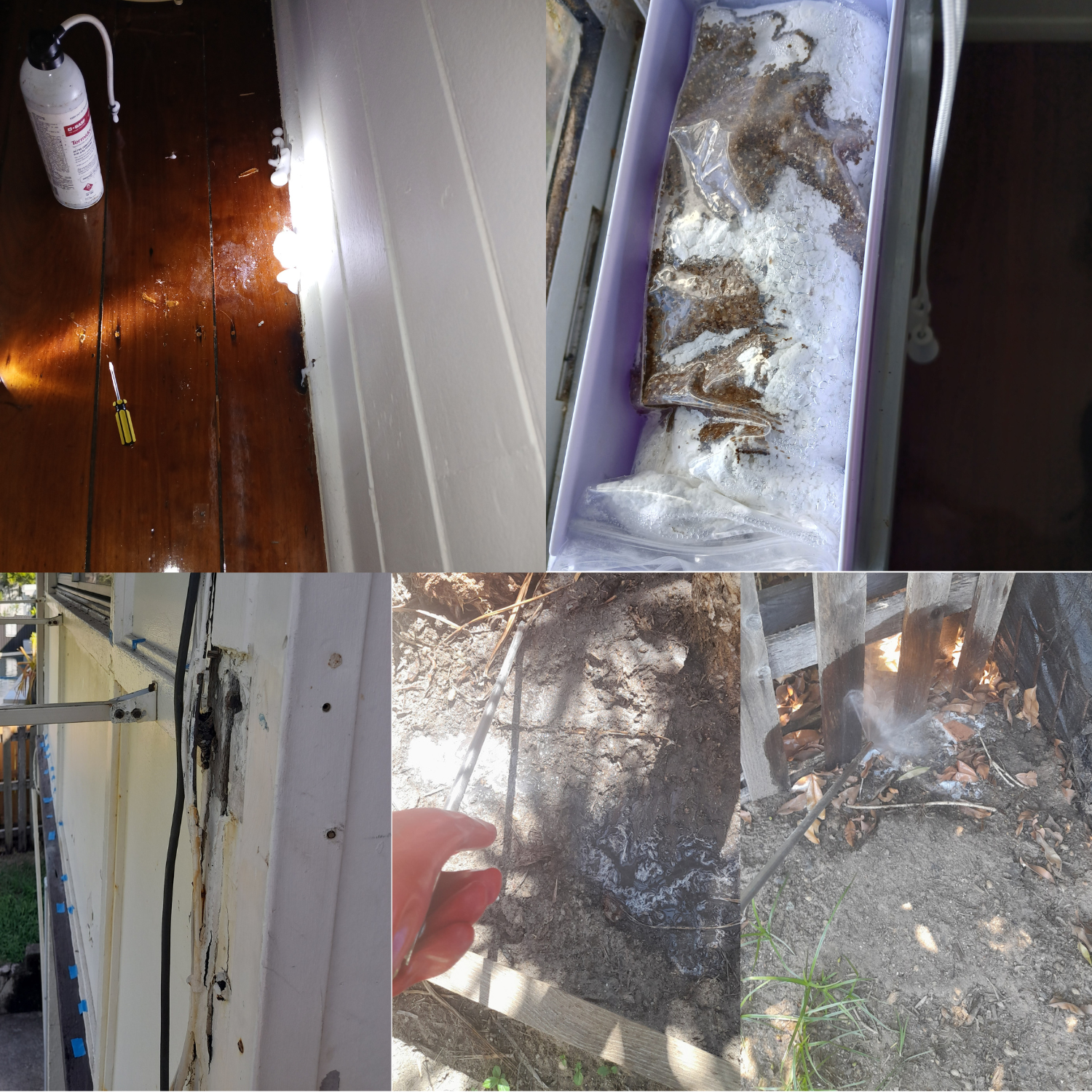
Treatment types include termite baiting, termite dusting treatments, termite foaming treatments, termite liquid treatments - or any combination of these.
Monitor
Termite management doesn't end when the termites are gone.
Regular inspections allow changes in the property and new termite activity to be identified before concealed damage becomes extensive.
Chemical Treatment Zones can establish a treated zone around or beneath parts of a building.
Depending on the property, treatment may involve:
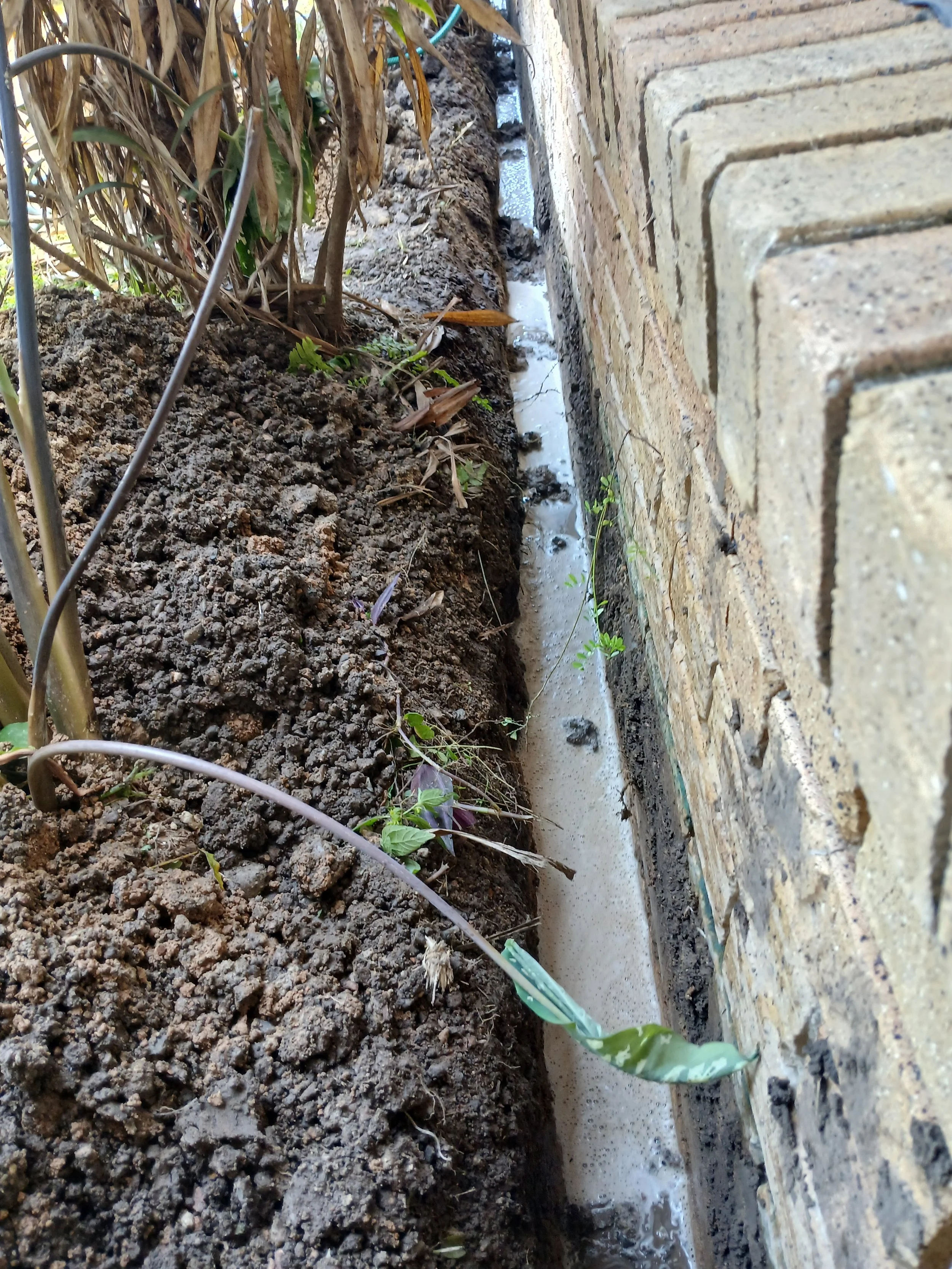
Soil trenching
Concrete drilling and injection
Treatment around structural penetrations
Treatment of accessible perimeter areas
Other application methods permitted by the product label and applicable requirements
Where concrete or other hard surfaces prevent direct soil access, specialised drilling and injection techniques may be required.
The objective is to create an appropriate treated zone and minimise concealed termite entry.
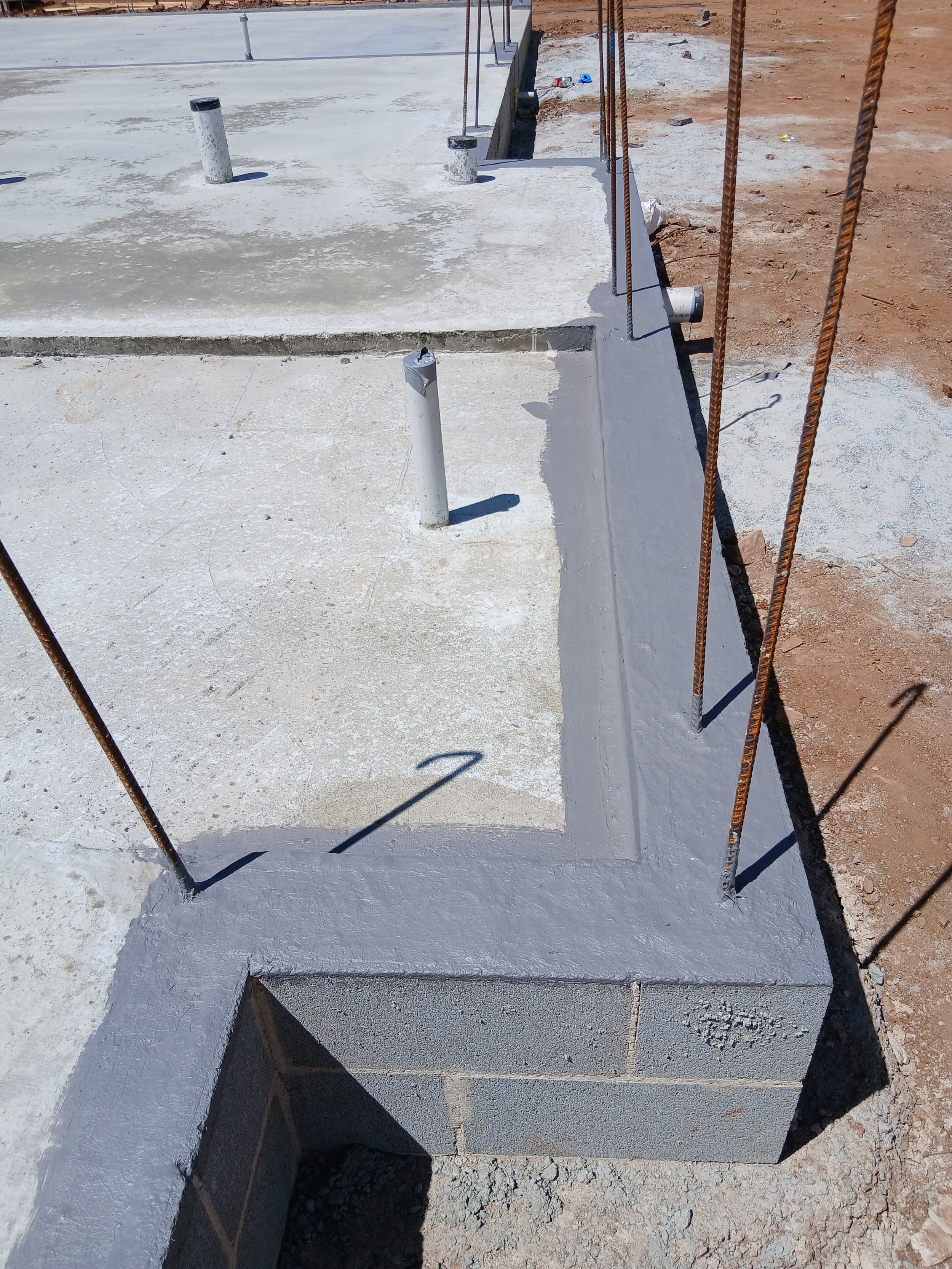
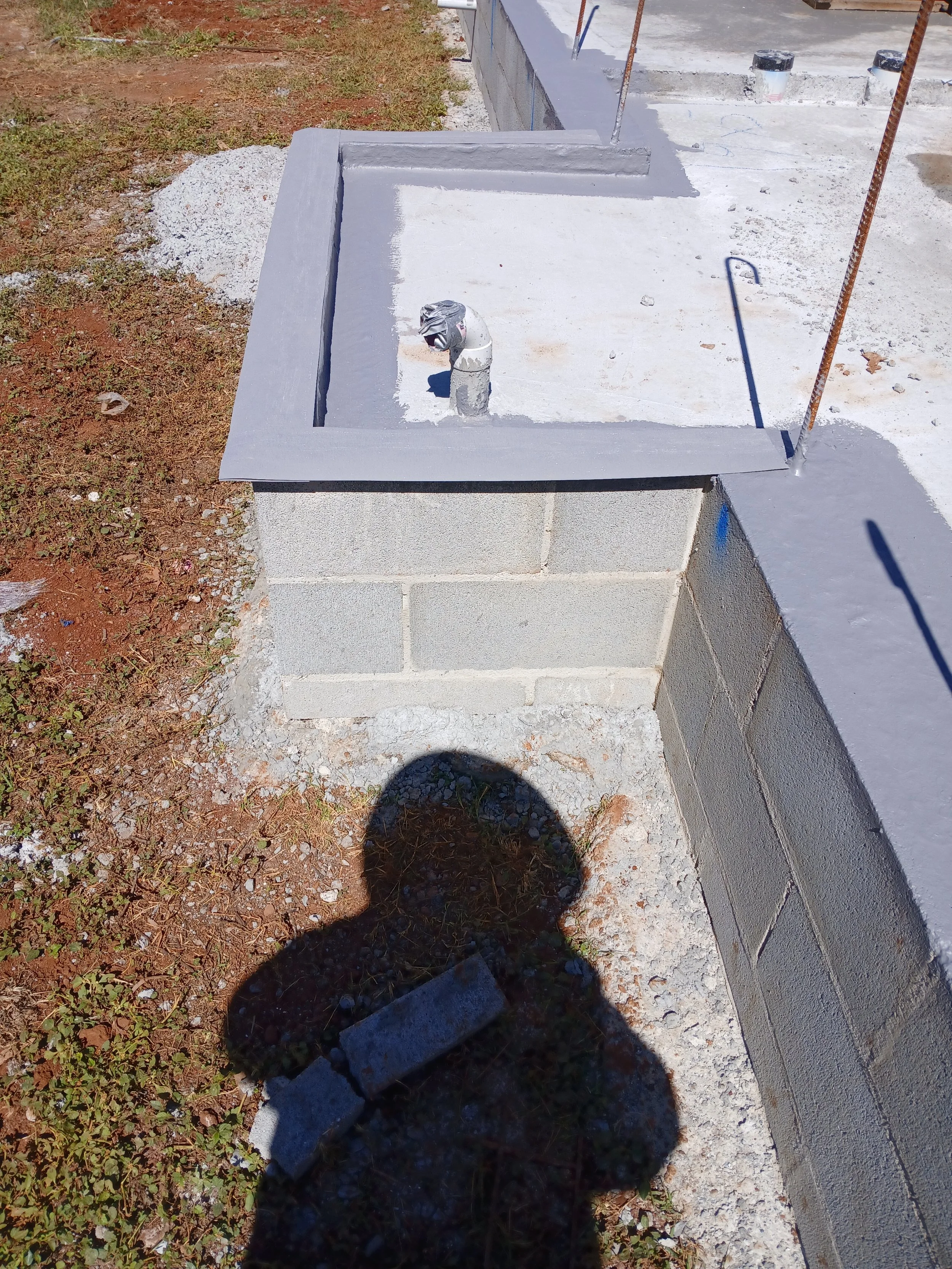
Termite Management Systems
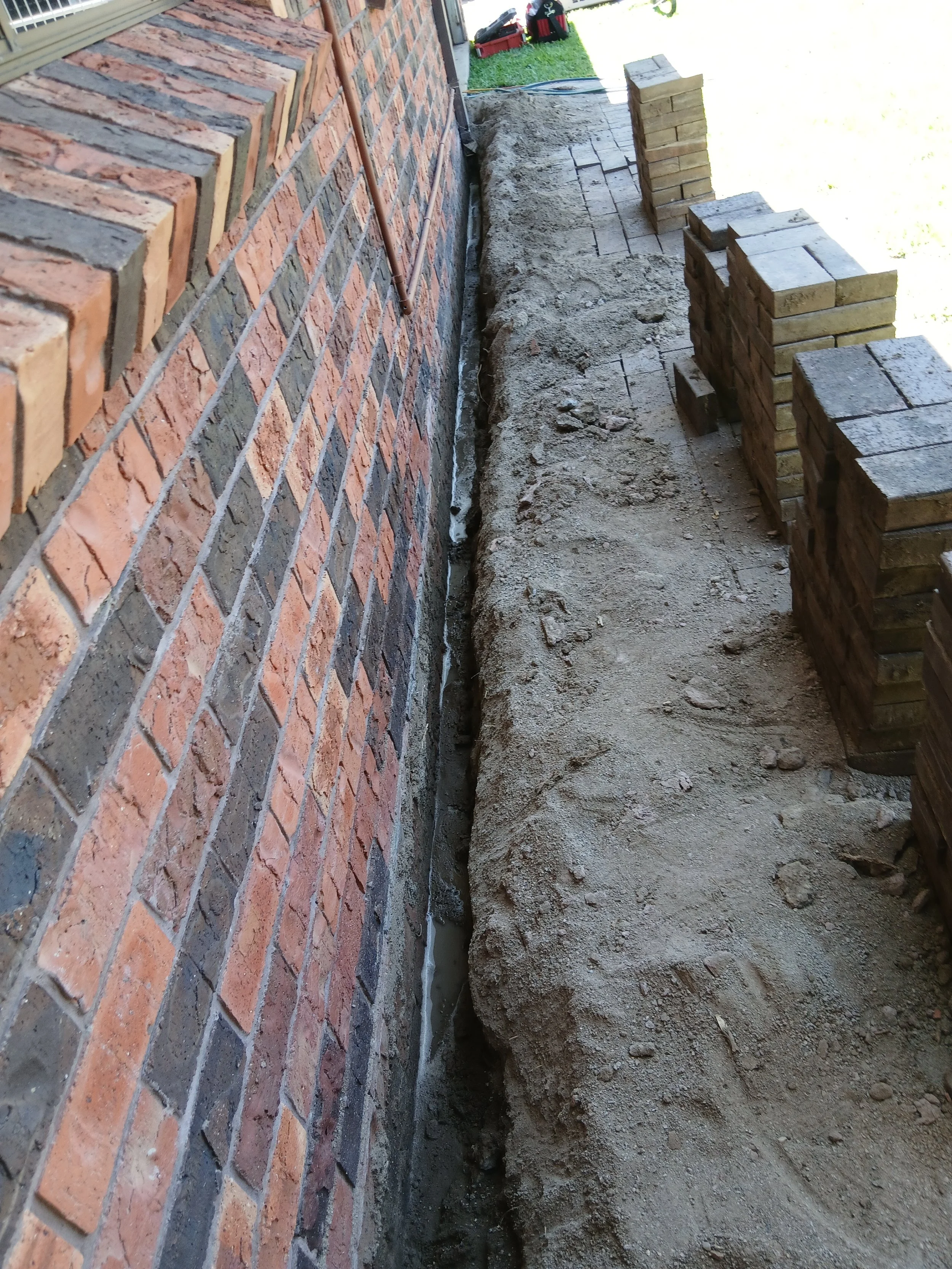
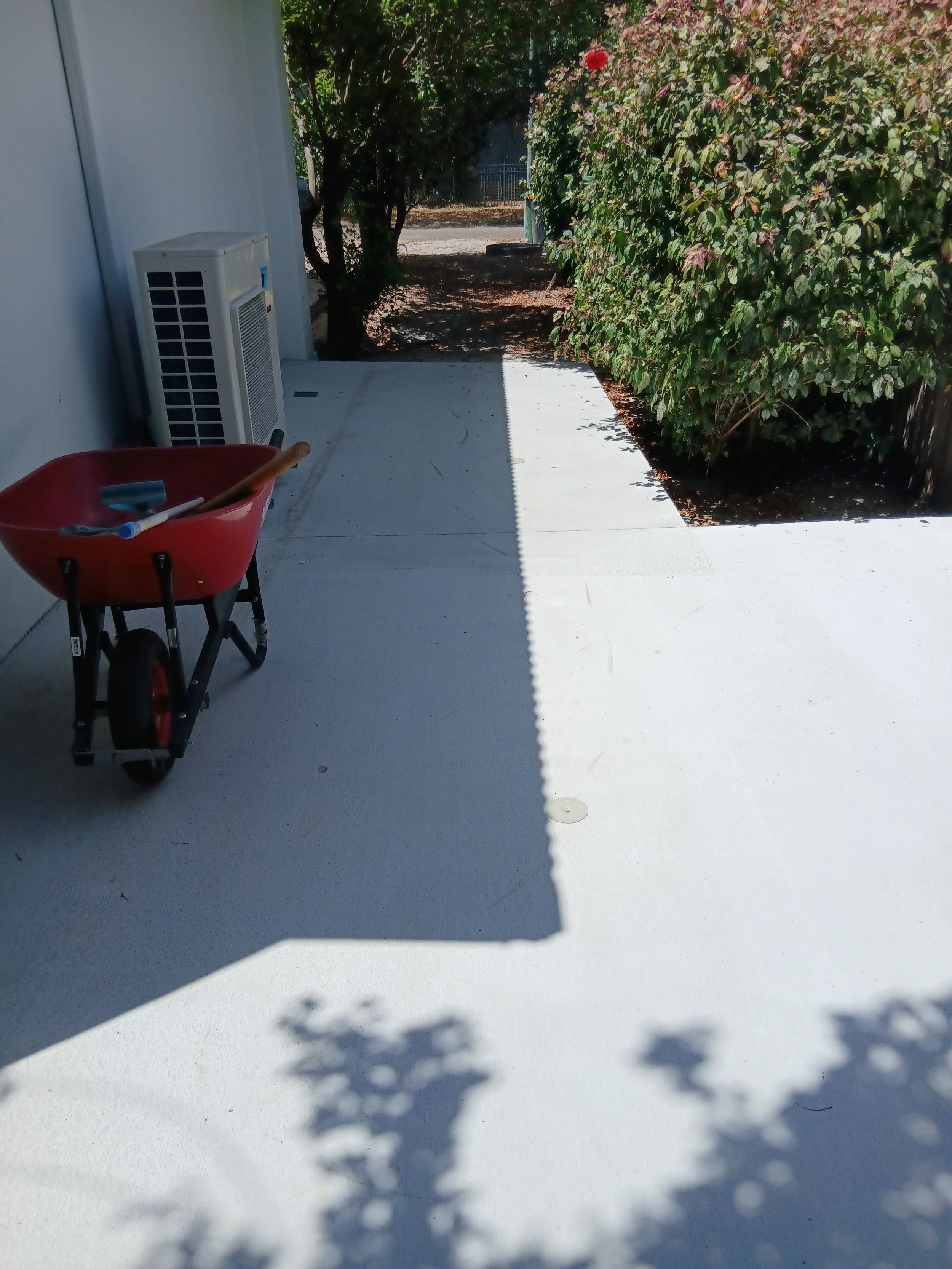
Reticulation Systems
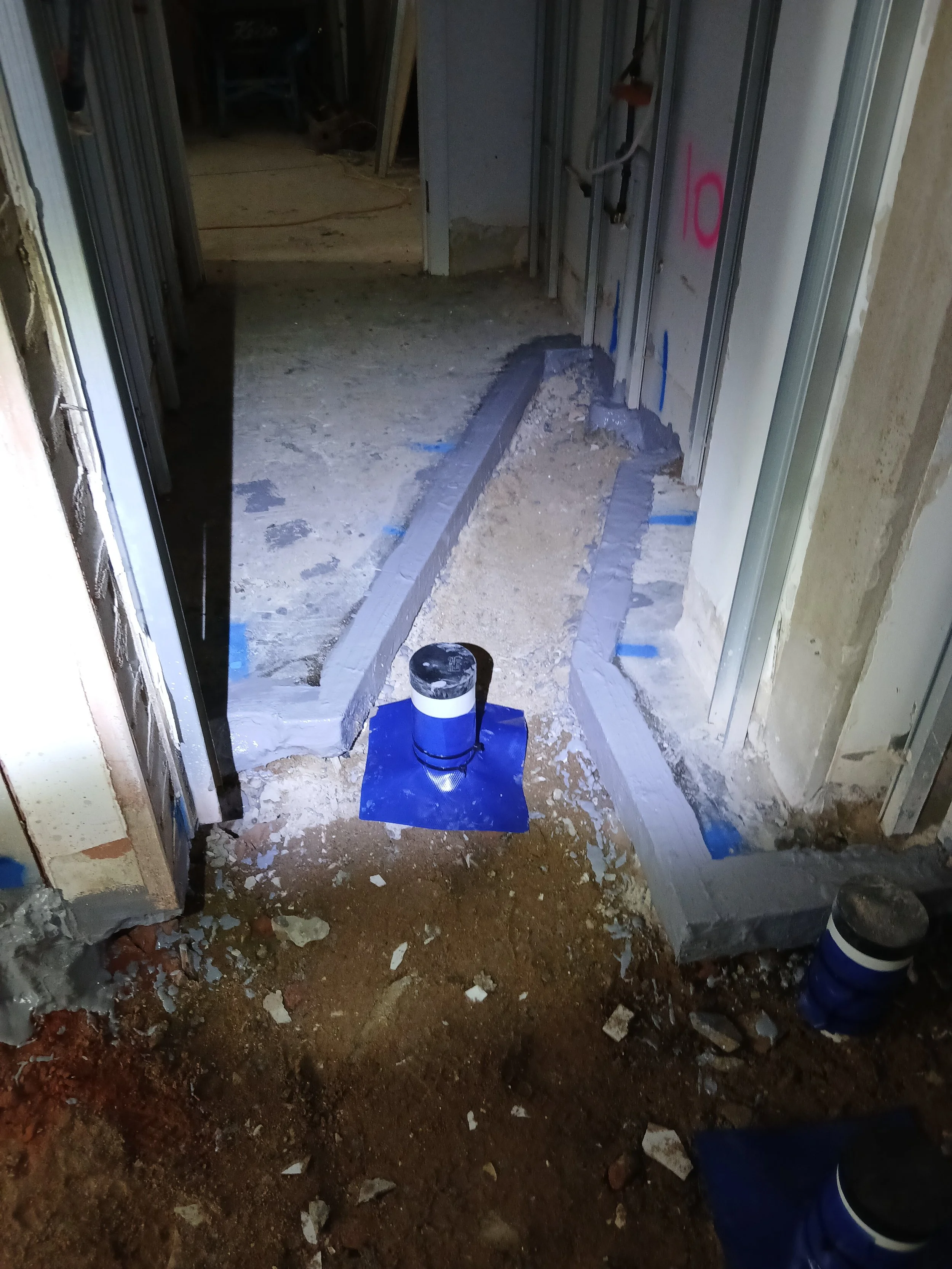
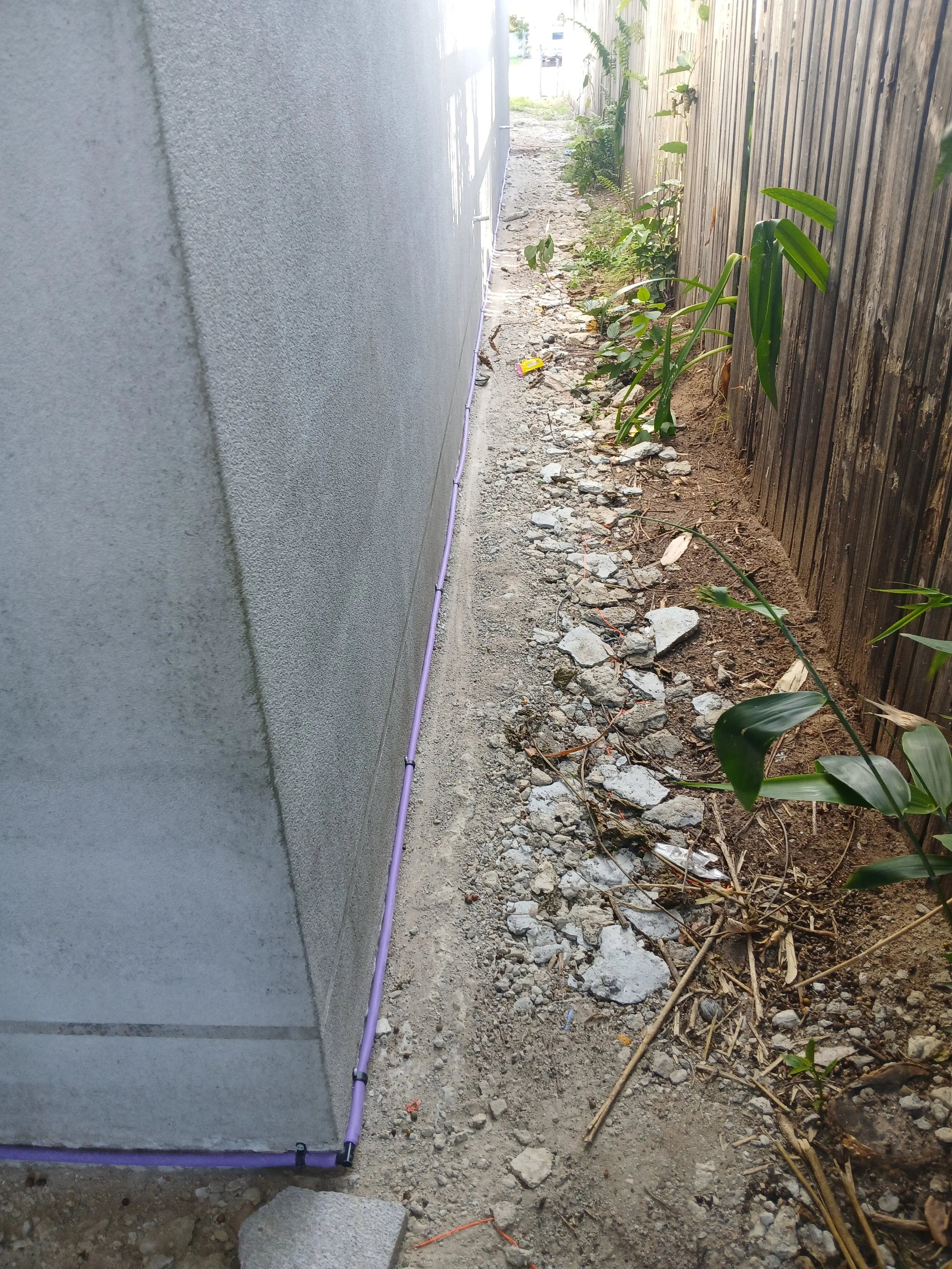
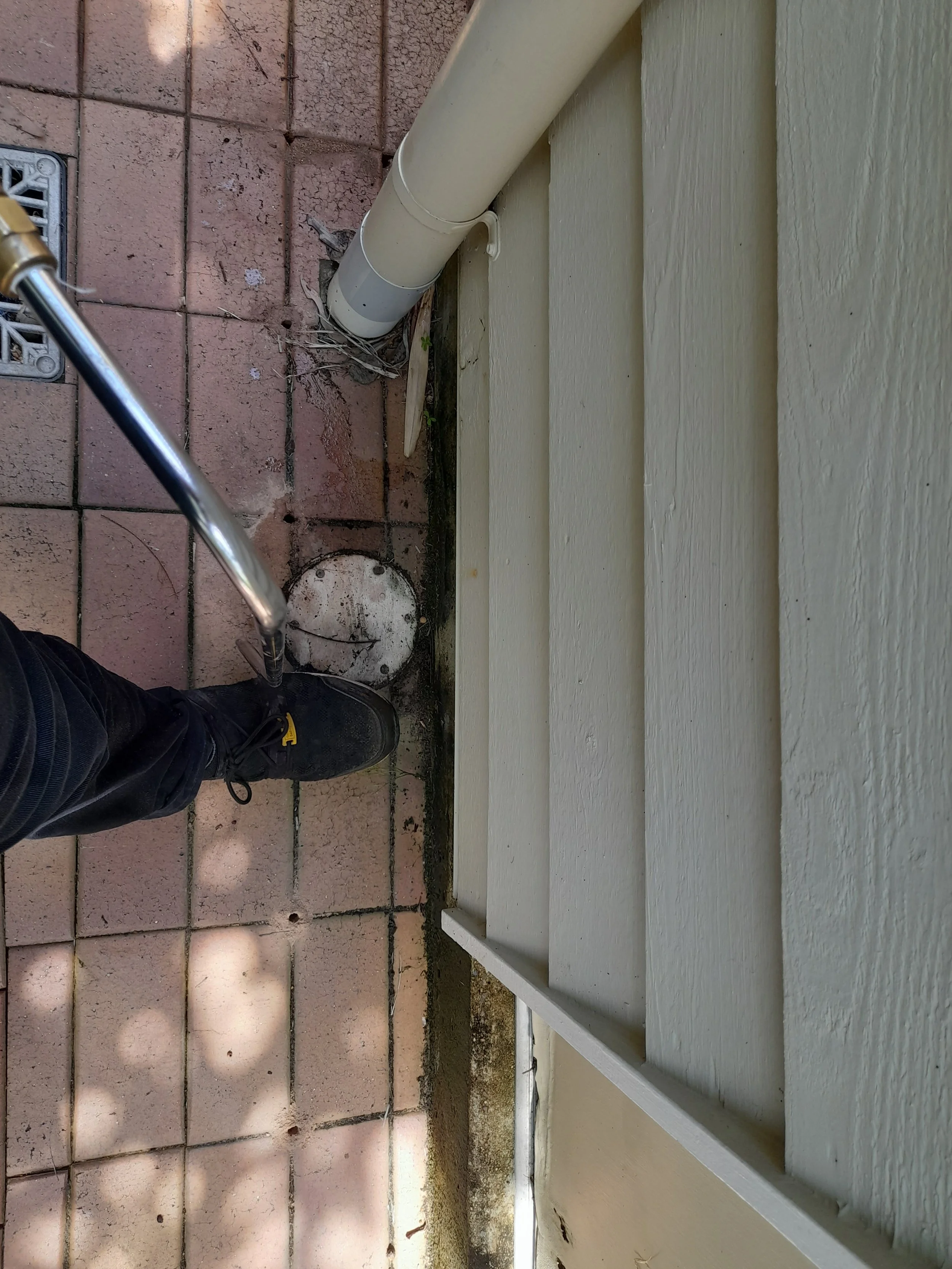
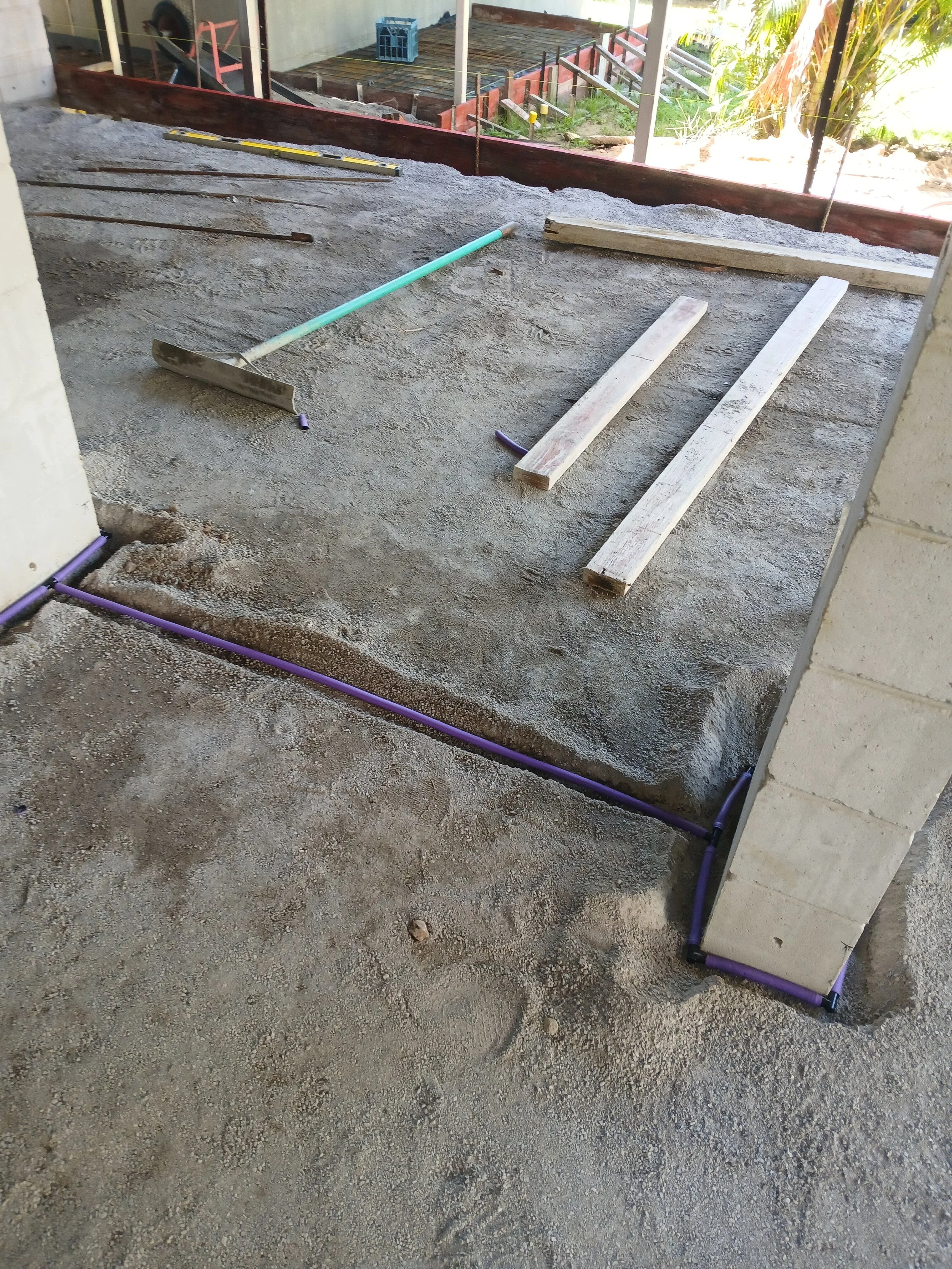
Some properties have termite management reticulation systems installed during construction, or prior to renovations - particularly before external paths or concreting is pourted.
These systems can provide a means of delivering an approved termiticide to designated areas around or beneath the building without requiring the same level of physical disturbance as installing a new system.
Hygipest is an accredited installer of new reticulations systems. Where a reticulation system exists, we can assess its condition and suitability and discuss the available management options.
Termite Baiting & Monitoring
Baiting systems take a different approach to conventional chemical systems.
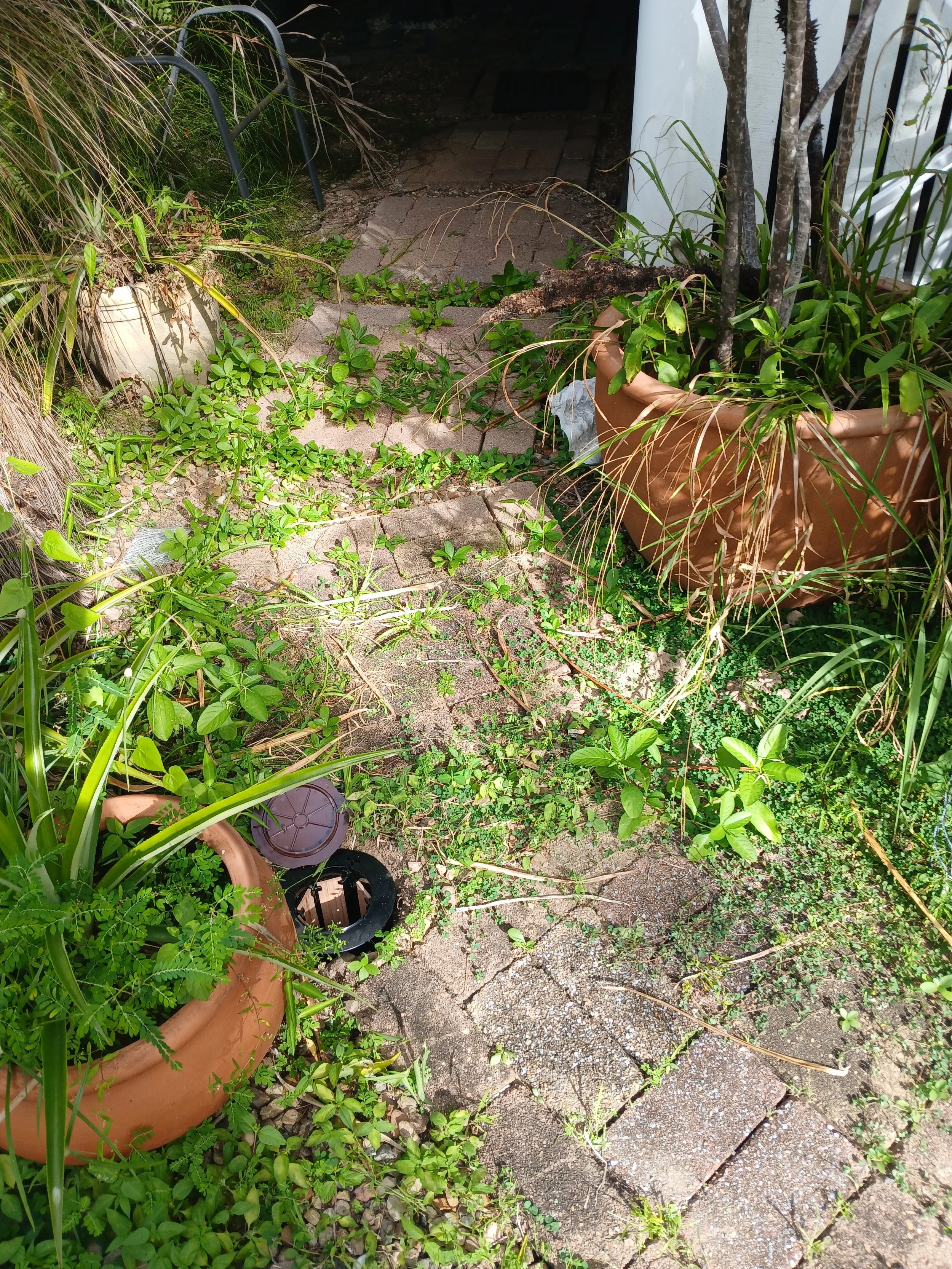
Instead of creating a continuous treated soil zone, baiting systems use monitoring stations to detect termite activity and, where appropriate, introduce a termite bait designed to be carried through the colony.
Baiting can be particularly useful where:
Conventional chemical treatment is difficult
Access is restricted
The building's construction limits barrier installation
A monitoring focused management program is preferred
A combination of treatment and monitoring is appropriate
The important point is that baiting is a management program, not simply a product installed in the ground.
Stations need to be inspected and managed as part of the system.
Pre-Construction Termite Management
For new construction, termite management can be incorporated into the design and construction process.
Depending on the project, this may include:
Chemical termite management
Physical termite management systems
Termite management around penetrations
Perimeter treatment
Installation of proprietary termite management systems
Hygipest is accredited in the use of Termseal, Homeguard, Greenzone, and Altis products.
Queensland's regulatory framework recognises termite management systems for new building work, including chemical and physical systems.
Our team can work with builders, contractors and property owners to help determine the appropriate termite management approach for the project.